Storing water and food for an emergency: a practical guide
How to store drinking water and food safely for a crisis: quantities, containers, shelf life and rotation — so your 72-hour reserve is there when you need it.
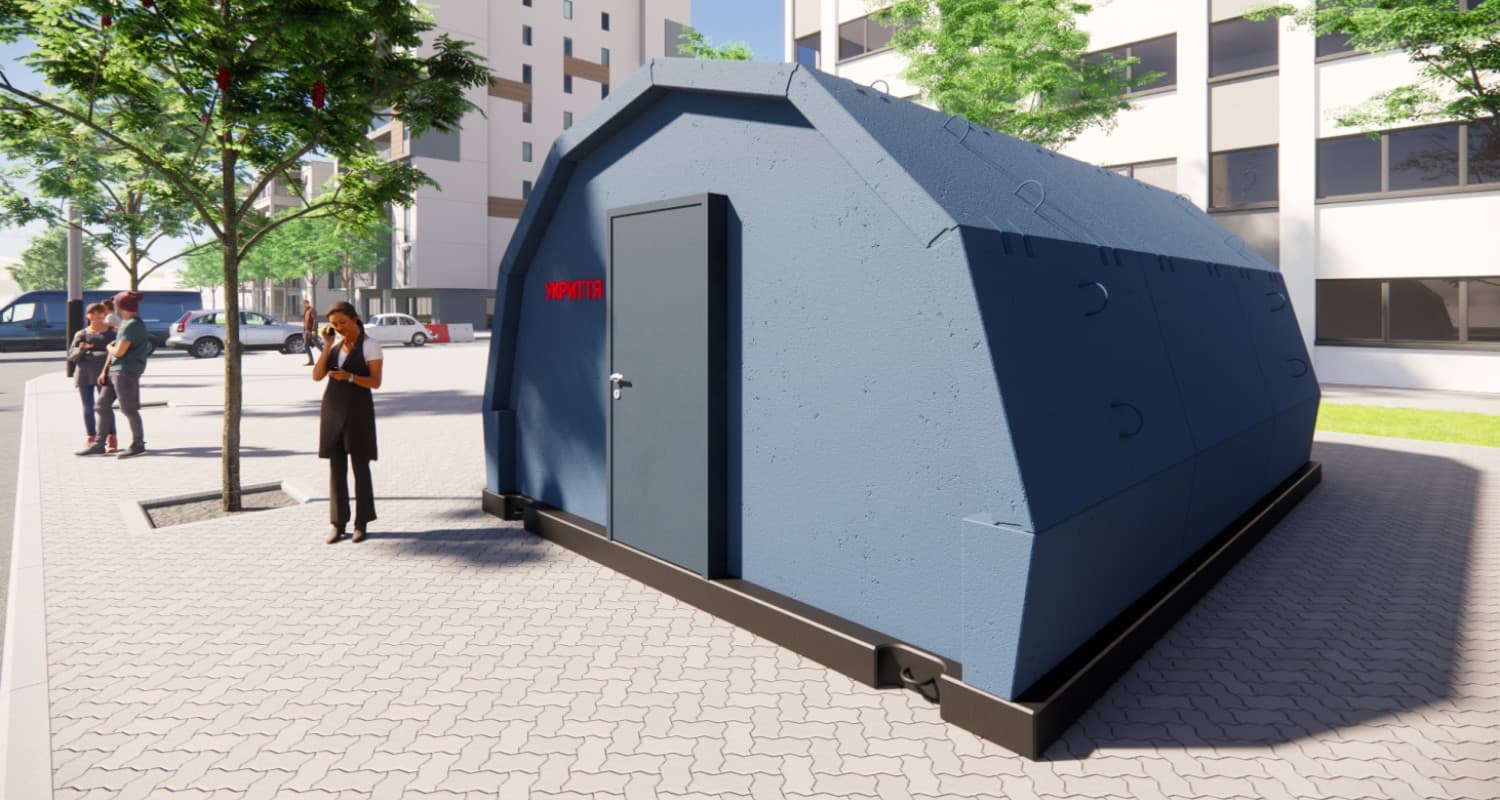
Of everything in a home reserve, water and food are what keep a household going day to day. Getting them right is less about buying more and more about storing the right amounts, in the right containers, and keeping them fresh. Here is how to do it without turning your home into a warehouse.
How much water. Plan for at least two litres of drinking water per person per day, plus extra for cooking and basic hygiene — call it three to four litres per person per day if you have the space. For a 72-hour reserve that means a minimum of six litres per person just for drinking. A family of four should therefore keep around 24 to 40 litres depending on how much margin they want.
How to store water. Use clean, food-grade containers with tight lids; canisters made for drinking water are best. Fill them with cold tap water, label the date, and keep them out of direct sunlight in a cool spot. Rotate every six months. If you ever need to treat questionable water, boiling for a few minutes is the surest method; purification tablets or a few drops of unscented household bleach per litre are a compact backup worth keeping.
Choosing food that lasts. Build the reserve around shelf-stable staples: tinned fish, meat, beans and vegetables; rice, pasta and oats; crispbread; nut butter; tinned or dried fruit; and long-life milk or milk powder. Favour food that needs little or no cooking, because the power may be out. Include salt, sugar, coffee or tea and a few comfort foods — morale matters over three days indoors.
Shelf life and rotation. The golden rule is "first in, first out". Store new purchases behind older ones, and eat from the front. Check dates a couple of times a year. Most tinned goods last for years, dried staples for many months; nothing needs to expire if the reserve rotates through your normal meals. This is what makes a kotivara affordable — it is your ordinary shopping, simply kept one cycle ahead.
Cooking without power. Keep a way to heat food and boil water that does not depend on the grid: a camping stove with a fuel canister, or a spirit burner, used only in a ventilated space. Add waterproof matches or a lighter, a pot, and a manual tin opener. Never burn fuel in a sealed room — carbon monoxide is the hidden danger of improvised cooking.
Where to keep it all. A cool, dry cupboard is enough for most homes. Households with a protected space — a väestönsuoja — should store a matching set of water and food inside or beside it, so the reserve is ready exactly where the family would shelter. Wherever you keep it, the goal is the same: three days of water and food, stored well, rotated often, and ready before you need it.