The 72-hour rule: building a home emergency supply
Finland's 72-hour recommendation, explained: how much water, food, heat and light a household needs to cope on its own for three days — a practical kotivara guide.
Finnish authorities recommend that every household be able to manage on its own for at least 72 hours. The idea is simple: in a storm, a long power cut, a water-main failure or a wider crisis, help does not reach everyone at once. The first three days are the window your family should be able to bridge without shops, tap water or grid electricity. In Finland this basic home reserve has a name — kotivara.
Kotivara is not a bunker and it is not survivalism. It is the everyday food, water and supplies you already keep at home, sized so that you always have about three days' worth in the cupboard. You buy what you normally eat, use the oldest first, and top it back up on the next shop. Done this way, preparedness costs almost nothing and nothing goes to waste.
Start with water, because it is the one thing you cannot improvise. Reserve about six litres per person — roughly two litres a day for drinking and simple cooking. A family of four therefore keeps around 24 litres set aside. Clean, food-grade canisters are ideal; rotate the water every six months so it stays fresh.
Next comes food that needs no cold storage and little or no cooking: tinned fish and beans, crispbread, oats, pasta and rice, nut butters, tinned fruit, and treats that keep morale up. Add a manual tin opener — a full larder is useless if you cannot open it. Aim for food you actually like, so the reserve rotates naturally through normal meals.
Then plan for the two things a power cut takes away: heat and light. Warm clothing, wool socks, blankets or sleeping bags keep you comfortable if the heating stops. For light, a headlamp per person plus spare batteries beats candles for safety. A battery or hand-crank radio keeps you connected to official bulletins when the internet and mobile networks are down.
Do not forget medicines and hygiene. Keep a few days' buffer of any prescription medication, a basic first-aid kit, and personal essentials — hand sanitiser, wet wipes, and supplies for infants or pets if your household has them. Some cash in small notes is worth having too, because card payments fail when the power does.
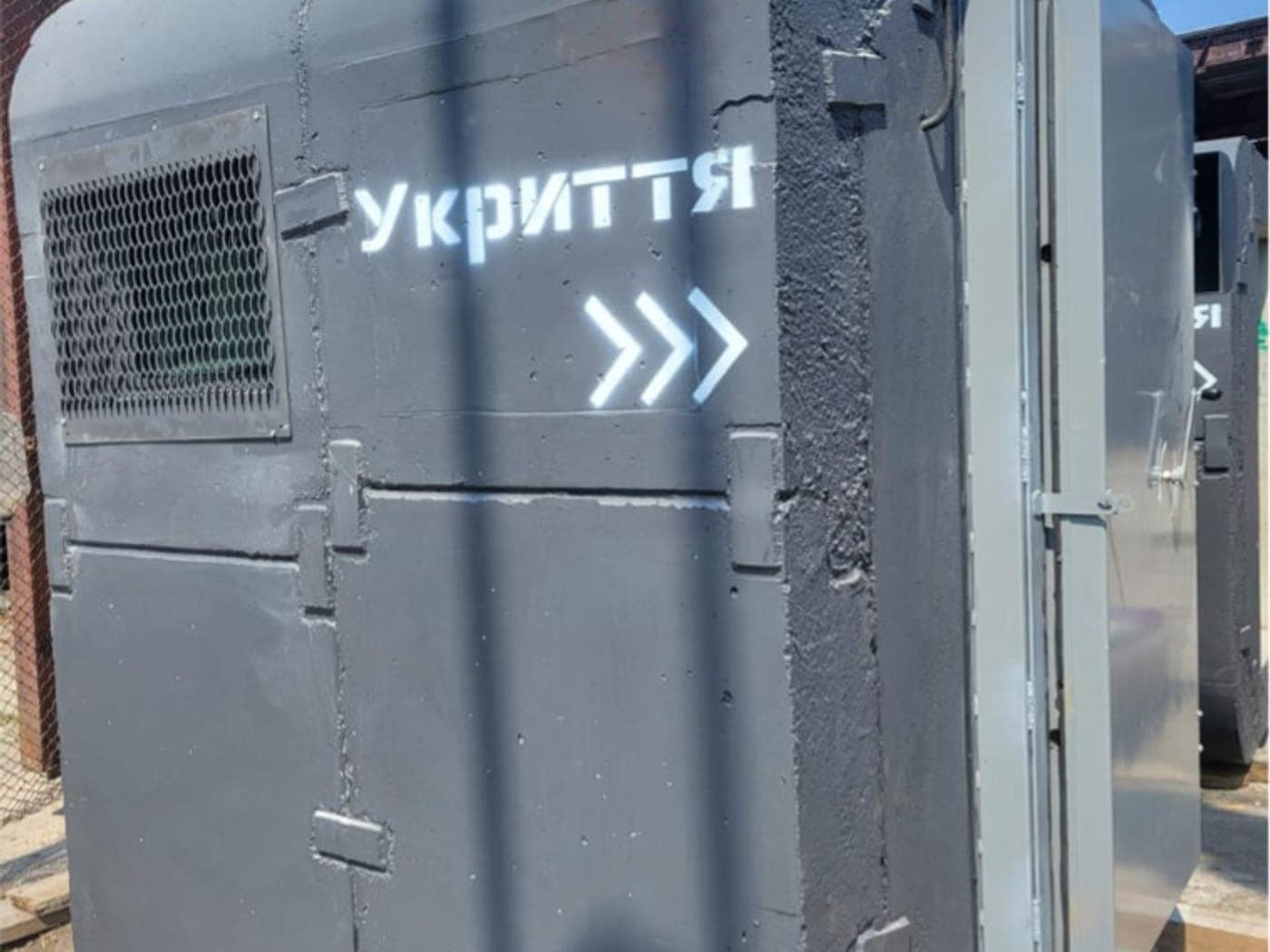
A home reserve is the first layer of preparedness. The next layer, for those who want protection against more than a power cut, is a proper protected space — a väestönsuoja — where the same 72-hour supplies keep you safe while you shelter. Whether you stock a cupboard or equip a shelter, the principle is identical: decide today what your household would need for three days, and put it on the shelf before you need it.