The 72-hour supply checklist: what to keep at home
A room-by-room kotivara checklist: exactly what water, food, light, warmth and first-aid items a household should keep to manage three days on its own.
A home reserve is easy to talk about and easy to put off. The fastest way to actually build one is to work from a list. Below is a practical 72-hour checklist you can print, tick off, and refill as you go. Scale the quantities to the number of people in your household.
Water — the priority. Store at least six litres per person (about two litres a day for three days) in clean, food-grade canisters. Keep a small bottle of water-purification tablets or unscented household bleach as a backup for treating extra water. Rotate stored water every six months.
Food that keeps and needs little cooking. Tinned fish, meat and beans; crispbread and hard biscuits; oats and muesli; rice and pasta; a jar of nut butter; tinned or dried fruit; instant soup; salt, sugar and coffee or tea. Add something you enjoy — a home reserve you like is a reserve you will actually rotate. Essential tool: a manual tin opener.
Light and power. One headlamp or torch per person, plus spare batteries. A power bank for your phone, charged and ready. A battery or hand-crank radio for official bulletins. Matches or a lighter stored dry. A few candles as backup, used with care.
Warmth. Warm clothing, wool socks and hats, blankets or a sleeping bag per person. A camping stove with fuel — used only in a ventilated space — lets you heat food and drink if the power is out. Never run any fuel-burning device in a sealed room.
Health and hygiene. A basic first-aid kit; a few days' buffer of every prescription medicine; painkillers; any specific items for infants, elderly members or pets. Toilet paper, wet wipes, hand sanitiser and a few refuse bags. If the water is cut, these keep the household clean and healthy.
Documents and cash. Keep copies of ID, insurance and key contacts in a waterproof folder, and some cash in small notes — card terminals and ATMs fail during a power cut. A printed list of emergency numbers is worth having when your phone is dead.
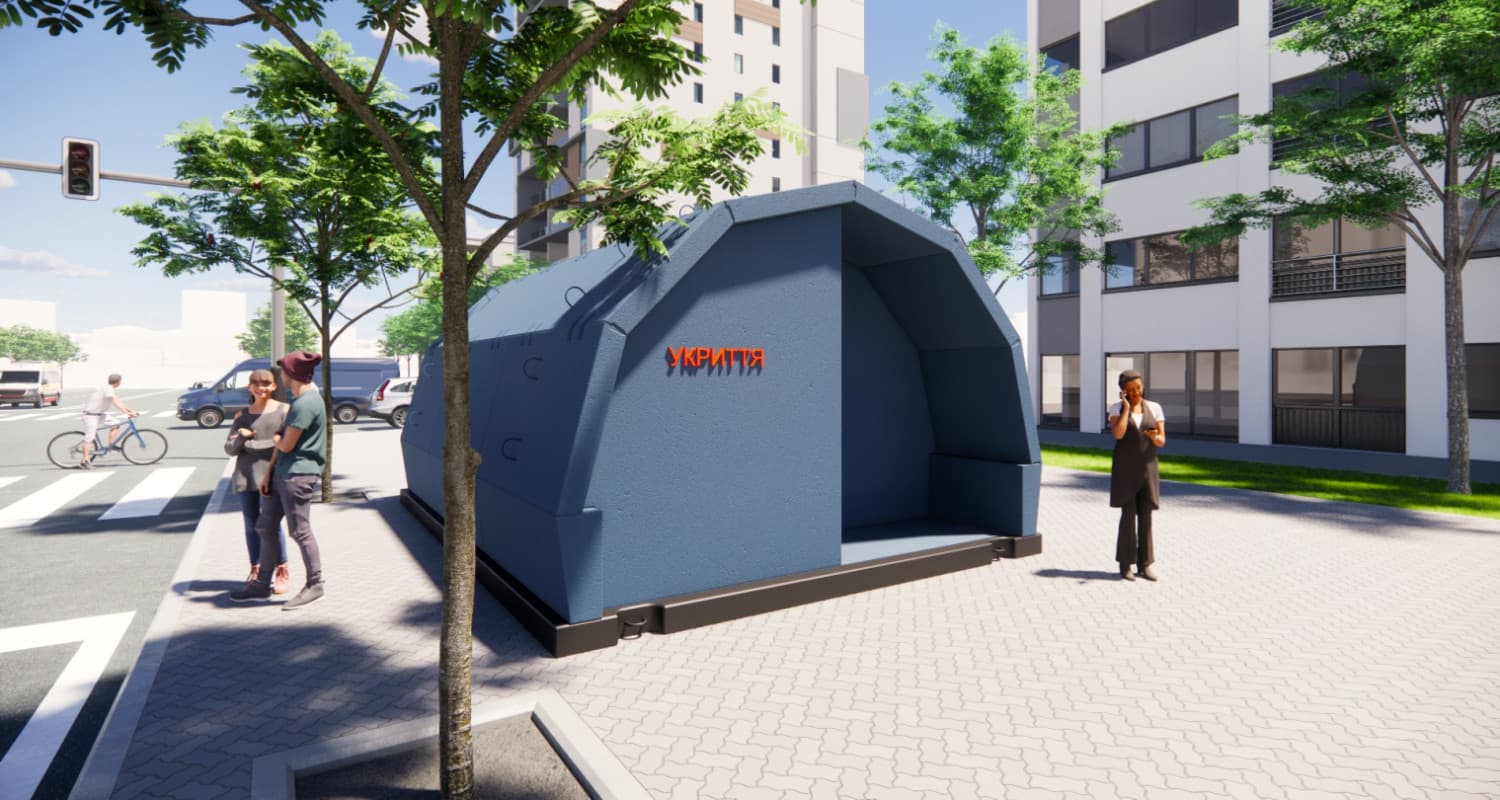
Once the cupboard is stocked, preparedness becomes a habit: use the oldest items first and top them up on your normal shop. Households that want to go further can pair this same 72-hour kit with a protected space — a väestönsuoja — so the supplies are ready exactly where you would shelter. Print the list, fill the gaps this week, and you are three days ahead of trouble.