A bomb shelter for your yard: how to choose a private shelter
A prefabricated pommisuoja for your house or garden: how to choose capacity, protection class, ventilation, groundwork and delivery — a practical guide to a private shelter.
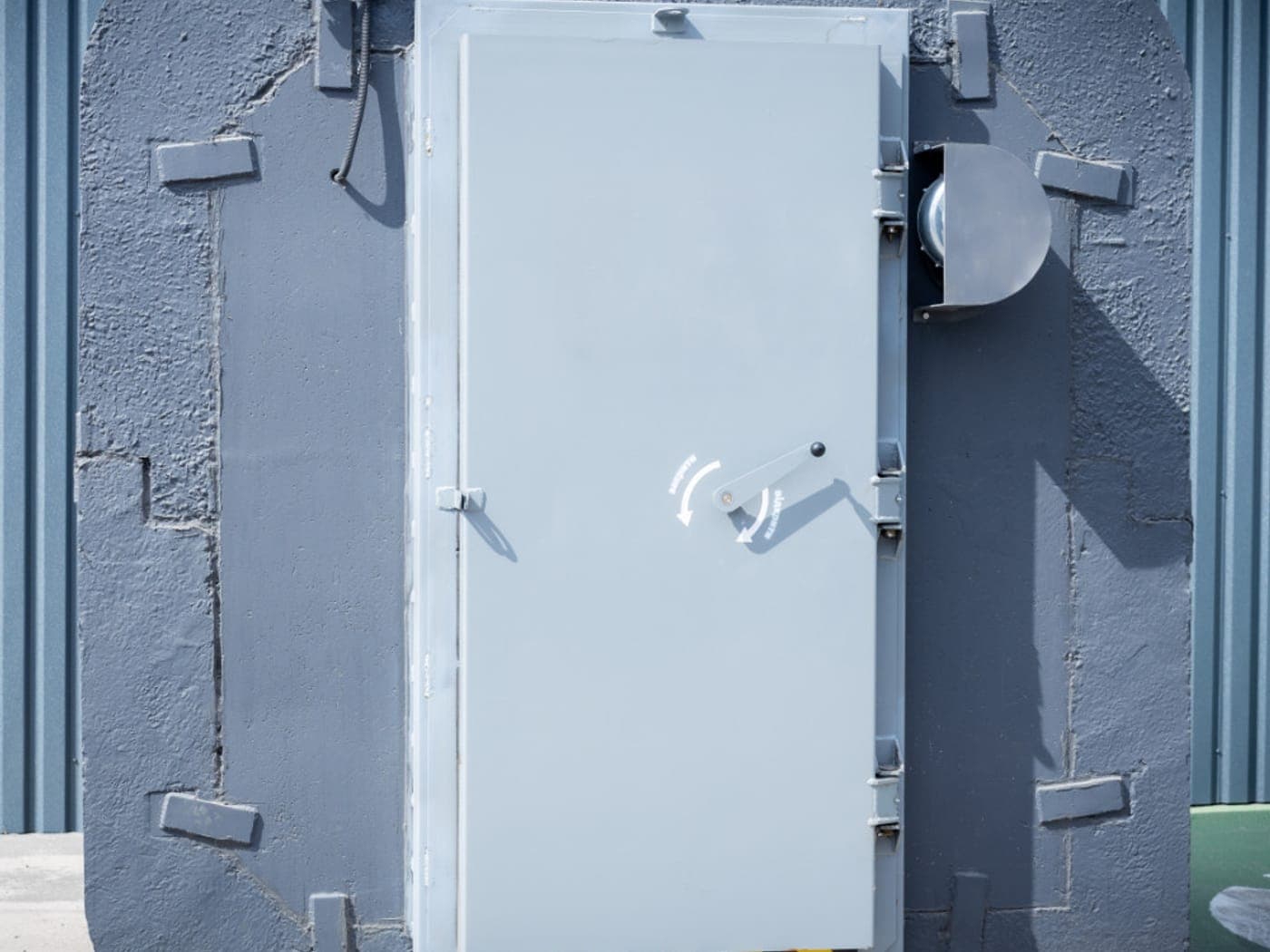
A private bomb shelter for your house or garden — a pommisuoja pihaan — is a prefabricated protective room installed on your own plot. Choosing the right one comes down to five decisions: how many people it must protect, the protection class you need, the ventilation and filtration, the groundwork your plot allows, and whether you want a fixed or a mobile unit. Get those right and the rest is delivery and installation.
When a private shelter makes sense A standalone shelter on your property is worth it when you want protection independent of a shared building shelter, when your home has no väestönsuoja, or when you want a safe room you fully control. For most families a compact prefabricated unit is enough; the goal is a protected space for the household plus a margin, not a bunker for the neighbourhood.
1. Size it by people, not square metres Shelters are mitoitettu — dimensioned — by protected area per person, so start from headcount. Count everyone in the household, then add a small margin for guests or a longer stay. A unit rated "up to 15 persons" is comfortable for a family of four to six over a longer period. Oversizing wastes money on groundwork and filtration you will not use; undersizing defeats the purpose.
2. Choose the protection class (kPa) The protection class is the overpressure the shelter withstands, measured in kilopascals. A higher kPa rating means thicker reinforced concrete or steel and stronger blast doors. Match the class to your threat model rather than buying the highest number by reflex — our shelter classes guide explains what the ratings mean in practice.
3. Ventilation is what makes it a shelter A sealed box is not protection. A genuine shelter has a certified ventilation and filtration system: an NBC filter against nuclear, biological and chemical hazards, overpressure valves that keep contaminated air out, and blast valves that shut on a shockwave. This is the single feature people underestimate — insist on it.
4. Check the groundwork your plot allows The installed price and even the choice of model depend on your site: soil type, groundwater level, access for a crane, and how much excavation and backfill are needed. A flat, dry, accessible plot is cheapest; high groundwater or tight access adds cost. Send us your site details and we design the installation around them.
5. Fixed or mobile A stationary shelter is buried and permanent — best protection, best for a home you will keep. A mobile shelter trades some protection for the ability to relocate, which suits temporary sites or renters. Most private buyers choose stationary.
A quick buyer's checklist • Capacity for your household plus a margin. • Protection class matched to your threat model. • Certified NBC ventilation and filtration — non-negotiable. • Blast doors and overpressure/blast valves included. • Groundwork and delivery quoted for your specific plot. • Autonomy: water, power and a dry toilet for your planned duration.
See the private and family shelters on our Shelters page, then request a quote with your headcount and plot details for an exact figure.
Frequently asked questions
Can I install a bomb shelter in my own garden? Yes — a prefabricated private shelter is designed to be installed on a private plot, subject to excavation and, where relevant, local building rules. We handle the technical design; you confirm access and soil.
How many people fit in a family shelter? Model ratings are given as "up to N persons" based on protected area per person. A "15 persons" model is roomy for a family of four to six over a longer stay, or tighter at full rated capacity for short-term shelter.
What is the difference between a pommisuoja and a väestönsuoja? "Väestönsuoja" is the official civil-defence shelter defined by regulation (often built into larger buildings); "pommisuoja" is the everyday word people use for a bomb shelter, including private ones. If you need a regulated shelter, see our guide on when a väestönsuoja is mandatory.
Do I need ventilation if it is just for short-term shelter? Yes. Even for short stays you need overpressure and filtration to keep contaminated air and dust out. Ventilation is what separates a shelter from a sealed room.