Shelter classes S1, S2 and K explained
Finnish civil defence shelters are built to classes S1, S2 and K. Here is what each class means, how they differ, and how the required class is chosen for a building.
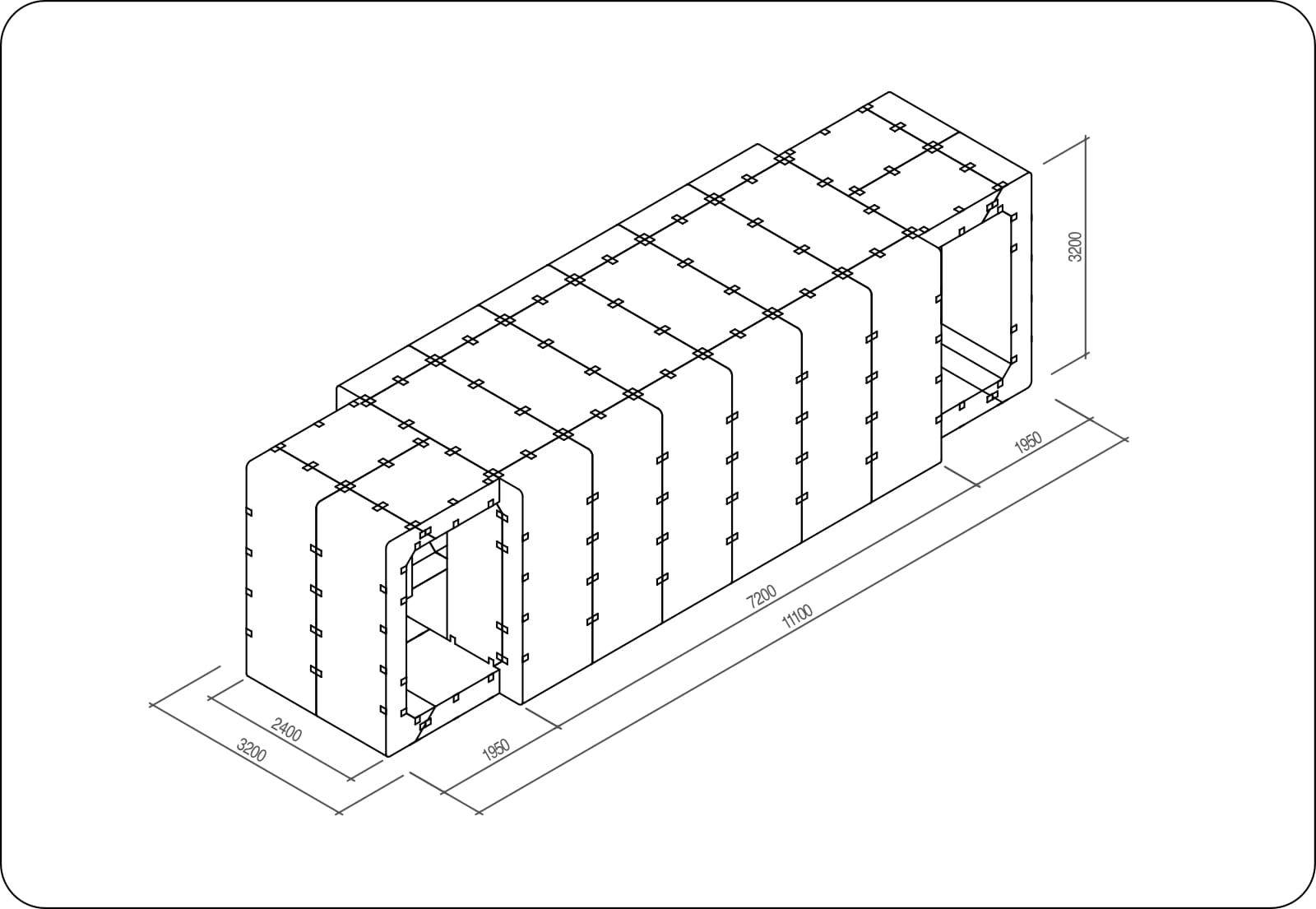
When you plan a väestönsuoja in Finland, one of the first decisions is the protection class. The class sets how strong the shelter is, the overpressure it must withstand and the equipment it must have. Finnish shelters are built to three classes: S1, S2 and K. This guide explains what each one means and how the right class is chosen.
What a shelter class actually defines
A class is not just a label — it fixes the engineering requirements: the wall and slab thickness, the reinforcement, the rated blast doors and hatches, the ventilation and filtration, and the tightness of the structure. A higher class withstands a higher overpressure and generally protects a larger number of people. The required class for a specific building follows from its size, use and location, and is confirmed with the local rescue authority (pelastuslaitos) and a qualified structural designer.
Class S1 — the standard reinforced-concrete shelter
S1 (teräsbetoniväestönsuoja) is the most common class and the default for ordinary residential and office buildings. It is a reinforced-concrete structure cast into the building, designed to protect against blast overpressure, building collapse, radiation and hazardous substances. Most apartment buildings and workplaces that fall under the shelter obligation are served by an S1 shelter. In peacetime it is normally used as storage or a technical room and can be converted to shelter use within a set time.
Class S2 — the stronger reinforced-concrete class
S2 is a stronger reinforced-concrete class used for larger buildings or more demanding requirements. It is designed for a higher overpressure than S1 and typically has thicker structures and higher-rated doors and equipment. S2 is chosen when the building size, occupancy or risk profile calls for more protection than S1 provides.
Class K — the rock shelter (kalliosuoja)
K is a kalliosuoja — a shelter excavated into bedrock. It is used for very large shelters and in dense urban areas where a single rock shelter can protect many people, including public shelters serving a whole block or district. Because it is carved into rock, it offers the highest inherent protection. Rock shelters are major civil-engineering projects and are planned at city and district level rather than for a single building.
How the required class is chosen
The class is not a free choice — it is derived from rules and the building's characteristics. The main factors are:
• The building's floor area and use (residential, office, industrial). • The number of people the shelter must protect (which sets the required size). • The location and, for rock shelters, the surrounding urban context. • The current shelter regulations, which define the design overpressure and equipment for each class.
We deliberately do not quote a single kPa design-pressure figure for each class here, because the exact value depends on the current decree and the shelter size. Confirm the required class and pressure rating with your structural designer and the rescue authority for your specific project.
Equipment differences between classes
All classes share the same core equipment — rated blast doors and hatches, a filtered ventilation system (NBC / CBRN filtration), a gas-tight structure, an emergency exit, and water and sanitation arrangements. The difference is the rating and dimensioning: a higher class uses thicker structures, higher-pressure-rated doors and larger ventilation and filtration capacity to match the number of people and the higher overpressure.
Which class do you need?
For most private and commercial buildings that fall under the obligation, an S1 shelter is the answer; larger or more demanding projects move to S2; rock shelters (K) are city-scale infrastructure. PerusTurva designs and delivers certified reinforced-concrete shelters and modular units and can advise which class and size fit your project.
• Browse the full range of shelters and bunkers in our catalogue. • See the flagship ARCA line for turnkey reinforced-concrete shelters. • Contact us to work out the right class and get a quote.
The descriptions here reflect the well-established Finnish shelter classes, but the exact technical requirements are set in regulation and have been under revision — always confirm the current class definitions, design pressures and equipment rules with your local rescue department and a qualified designer before making decisions.
## Frequently asked questions
What are the Finnish shelter classes? Finnish civil defence shelters are built to three classes: S1 (the standard reinforced-concrete shelter), S2 (a stronger reinforced-concrete class), and K (kalliosuoja, a rock shelter excavated into bedrock).
What is the difference between S1 and S2? Both are reinforced-concrete shelters, but S2 is designed for a higher overpressure than S1 and typically has thicker structures and higher-rated doors and equipment. S2 is used for larger or more demanding buildings.
What is a K-class shelter? A K-class shelter is a kalliosuoja — a shelter excavated into bedrock. It offers the highest inherent protection and is used for very large or public shelters in dense urban areas.
Which shelter class do I need? The class is derived from the building's size, use, occupancy and location and is confirmed with the rescue authority and a structural designer. Most buildings under the obligation use S1; larger projects use S2; rock shelters are city-scale.
What overpressure does each class withstand? The exact design overpressure (kPa) for each class is set in the shelter regulations and depends on the current decree and shelter size. Confirm the required rating with your designer and the local rescue department.