Millal on varjend Soomes kohustuslik?
Soome päästeseaduse järgi on väestönsuoja nõutav enamikule uutest hoonetest üle ~1200 m². Siin on, kes peab selle ehitama, klassid S1/S2/K, pinnareeglid ja kulutegurid.
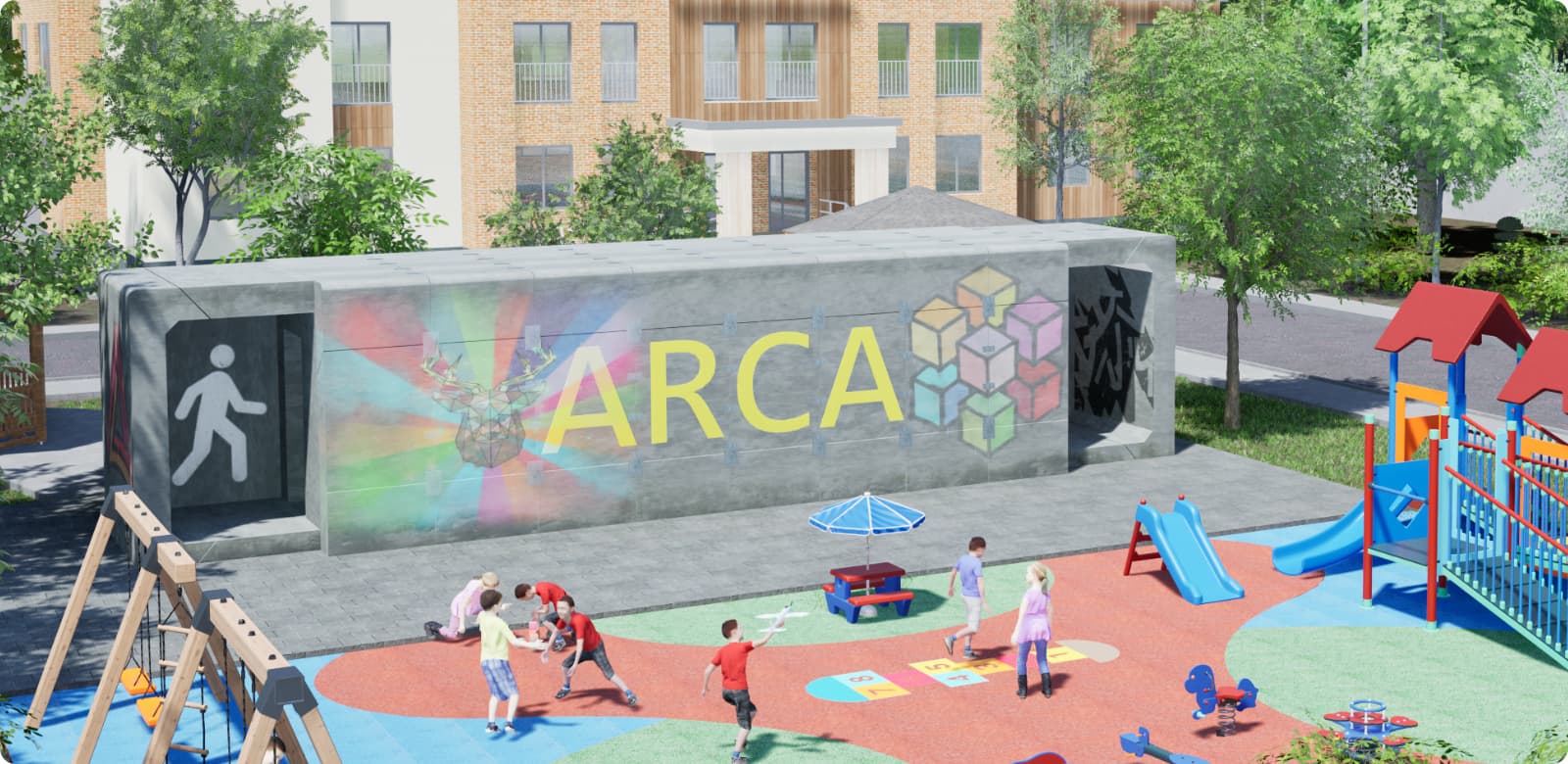
Soomes ei ole tsiviilkaitse varjend — väestönsuoja — suuremate uute hoonete puhul valikuline: seda nõuab päästeseadus (Pelastuslaki). Kui plaanid uut korterelamut, töökohta või juurdeehitust, on varjendikohustus üks esimesi asju, mida kontrollida. See juhend selgitab, millal varjend on kohustuslik, millised on kaitseklassid, pinna- ja varustusreeglid ning mis kulu määrab.
Lühivastus: varjend tuleb ehitada, kui uus hoone — või juurdeehitus samal kinnistul — ulatub ligikaudu 1200 m² põrandapinnani ja inimesed elavad või töötavad seal alaliselt. Tööstus- ja tootmishoonete puhul on lävi kõrgem. Kinnita alati täpsed kehtivad numbrid kohalikus päästeametis (pelastuslaitos), sest läved on seatud seaduses ja on olnud läbivaatamisel.
Kes peab väestönsuoja ehitama? Kohustus järgib hoonet, mitte omanikku. See kehtib, kui ehitatakse uus hoone või olemasolevat laiendatakse või renoveeritakse võrreldavas ulatuses ja kaitstud põrandapind ületab seadusliku läve. Praktikas tähendab see, et enamik uusi korterelamuid, korteriühistute projekte (taloyhtiö), büroohooneid, koole ja suuremaid töökohti kuulub reegli alla, üksikelamud aga peaaegu mitte kunagi.
Lävi on määratletud põrandapinna ja kasutuse järgi: • Elu-, büroo- ja võrreldavad hooned, kus inimesed viibivad alaliselt: varjend nõutav alates umbes 1200 m² põrandapinnast. • Tööstus- ja tootmishooned: kehtib kõrgem lävi (sageli mainitud umbes 1500 m²).
Juurdeehitused loevad samuti. Kui juurdeehitus tõstab kinnistu kaitstud kogupinna üle läve, võib varjendikohustus tekkida, isegi kui algsel hoonel seda ei olnud. Kontrolli täpsed numbrid oma projekti jaoks päästeametis ja konstruktoriga — see artikkel annab väljakujunenud arvud, kuid täpsed piirid on õiguslik küsimus.
Kaitseklassid: S1, S2 ja K Soome varjendid ehitatakse määratletud kaitseklassidesse. Klass määrab konstruktsiooni tugevuse, ülerõhu, mida varjend peab taluma, ja vajaliku varustuse. • S1 — raudbetoonvarjend (teräsbetoniväestönsuoja). Kõige tavalisem klass tavahoonetele. Ehitatud konstruktsiooni sisse, kaitseb ülerõhu, hoone kokkuvarisemise, kiirguse ja ohtlike ainete eest. • S2 — tugevam raudbetooniklass suurematele või nõudlikumatele hoonetele, projekteeritud kõrgemale ülerõhule kui S1. • K — kaljuvarjend (kalliosuoja), aluspõhjakivimisse raiutud. Kasutatakse väga suurte varjendite ja tiheda linnaruumi jaoks; pakub kõrgeimat loomupärast kaitset.
Iga klassi täpne projekteeritud ülerõhk (kPa) on määratud varjendimäärustes. Me teadlikult ei too siin ühte kPa numbrit, sest see sõltub kehtivast määrusest ja varjendi suurusest — kinnita vajalik klass ja rõhuklass konstruktori ja päästeametiga.
Pinna- ja varustusnõuded Väestönsuoja peab pakkuma määratud kaitstud pinda inimese kohta. Väljakujunenud reegel on vähemalt 0,75 m² kaitstud põrandapinda inimese kohta ja varjendi nõutav suurus tuleneb hoone kasutajate arvust. Varjend peab olema kasutatav ka tavaotstarbel rahuajal (ladu, tehniline ruum), kuid teisendatav varjendiks määratud aja jooksul.
Iga nõuetele vastav varjend vajab vähemalt: • Klassile vastavaid plahvatuskindlaid varjendiuksi ja luuke. • Filtreeritud ventilatsiooni (NBC / CBRN filtreerimine), et hoida õhk hingatav, kui välisõhk on saastunud. • Tihedat, gaasitihedat konstruktsiooni õige seina- ja lae paksusega. • Avariiväljapääsu, veevarustust ja kuivkäimla lahendust.
Hooldus on samuti seaduslik kohustus: varjendeid tuleb kontrollida ja töökorras hoida ning varustust nagu filtrid ja tihendid hooldada.
Kui palju varjend maksab? Ühte hinda ei ole — kulu sõltub klassist, suurusest (kasutajate arvust), sellest kas valatakse kohapeal või on valmismoodul, ja kuidas see hoonega integreerub. Peamised kulutegurid on: • Kaitseklass ja suurus — suurem S2 või kaljuvarjend maksab palju rohkem kui väike S1. • Konstruktsioon — raudbetooni paksus, plahvatuskindlad uksed ja luugid. • Ventilatsioon ja CBRN filtreerimine. • Kaeve ja integreerimine hoone vundamenti.
Arendajatele ja korteriühistutele on varjend parem projekteerida algusest peale, mitte tagantjärele lisada. Erasõmbijatele, kes soovivad kaitset ilma seadusliku kohustuseta, on valmismoodulvarjendid tavaliselt kõige kulutõhusam tee.
Kuidas PerusTurva saab aidata PerusTurva projekteerib ja tarnib sertifitseeritud raudbetoonvarjendeid ja moodulkaitseüksusi era-, kommerts- ja mobiilseks kasutuseks. Kui selgitad, kas su projekt vajab varjendit, milline klass kehtib või mida perele või kinnistule mõeldud üksus maksaks, saab meie meeskond nõu anda ja pakkumise teha. Sirvi kogu varjendite ja punkrite valikut meie kataloogis, vaata lipulaeva ARCA sarja ja võta meiega ühendust projektipõhiseks hindamiseks ja hinnaks.
Selle artikli arvud kajastavad Soome päästeseaduse väljakujunenud nõudeid, kuid varjendiõigus on tehniline ja on olnud läbivaatamisel — kinnita alati kehtivad läved, klassid ja rõhuklassid kohalikus päästeametis ja kvalifitseeritud konstruktoriga.
Korduma kippuvad küsimused
Kas väestönsuoja on üksikelamule kohustuslik? Peaaegu mitte kunagi. Kohustus on seotud põrandapinna ja kasutusega — see kehtib suurematele uutele hoonetele (elu-/büroo alates umbes 1200 m²), mitte tavalistele eramutele. Erasõmbid võivad varjendi siiski vabatahtlikult ehitada.
Millisest suurusest varjendikohustus algab? Elu-, büroo- ja võrreldavatele hoonetele algab kohustus tavaliselt umbes 1200 m² põrandapinnast; tööstus- ja tootmishoonetele on lävi kõrgem (sageli umbes 1500 m²). Kinnita täpne kehtiv number kohalikus päästeametis.
Mis vahe on S1, S2 ja K varjendil? S1 on tavaline raudbetooniklass tavahoonetele; S2 on tugevam raudbetooniklass suurematele või nõudlikumatele hoonetele; K (kalliosuoja) on aluspõhjakivimisse raiutud kaljuvarjend suurimateks, kõrgeima kaitse vajadusteks.
Kui palju pinda peab varjend inimese kohta pakkuma? Vähemalt 0,75 m² kaitstud põrandapinda inimese kohta on väljakujunenud reegel ja varjendi nõutav suurus tuleneb hoone kasutajate arvust.
Kas juurdeehitus käivitab varjendikohustuse? Võib. Kui juurdeehitus tõstab kinnistu kaitstud kogupinna üle seadusliku läve, võib varjendikohustus kehtida, isegi kui algsel hoonel seda ei olnud.